
AI Construction Project Planning Software
Take control of your project plan with ALICE
ALICE is transforming the world of project planning for construction professionals, offering an intelligent, AI-driven solution for creating, optimizing, and executing construction schedules.
Transform Construction Project Outcomes with ALICE
Minimize Risks
Identify potential issues early, test numerous scenarios, and generate resilient schedules for your project.
Protect Revenue + Margins
Avoid costly surprises by aligning cost, crew, and schedule—turning contingency into profit, not overhead.
Optimize for Efficiency
Simulate smarter build strategies to accelerate delivery, right-size resources, and unlock new project capacity.
Why use construction project planning software?
In an industry prone to delays and cost overruns, construction project planning software brings structure and data-driven efficiency to complex builds. Spreadsheets and outdated methods cause miscommunication and resource issues, but ALICE automates scheduling, anticipates risks, and enhances collaboration. From design to completion, every project phase is mapped, optimized, and executed with precision.
- General Contractors, EPCs: Use ALICE to create efficient schedules, optimize resources, and prevent delays.
- Owners and Developers: Use ALICE to understand what is possible, compare delivery options, and have informed conversations about schedule commitments and trade-offs.
- Construction Project Managers and Planners: Coordinate tasks, assign responsibilities, and track progress in real time.
- Engineers and Designers: Identify scheduling constraints and optimize workflows before construction.
- Executives and Project Leaders: Use ALICE to evaluate performance scenarios, manage risk exposure, and make data-backed decisions on time, cost, and delivery strategy.
AI-driven construction planning software that helps teams optimize schedules, resources, and risk management.
Using advanced simulations, it evaluates multiple scenarios so you can choose the most efficient path.
Get a demo
Optimized
Scheduling
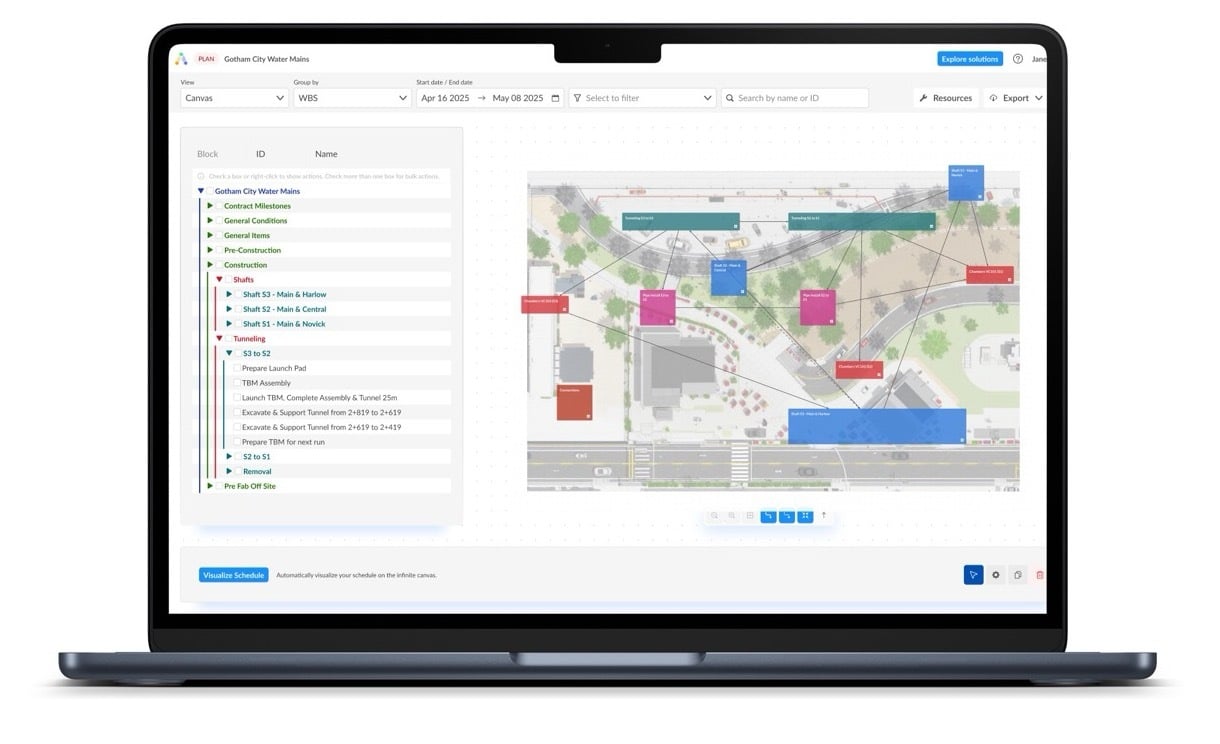
ALICE analyzes millions of scenarios to find the most cost- and time-efficient project plan, helping teams minimize delays and maximize efficiency.
Real-Time
Adaptability
Resource
Efficiency
ALICE optimizes labor, materials, and equipment use to reduce inefficiencies, idle time and cut unnecessary costs.
Risk
Reduction
ALICE enables you to detect conflicts early, mitigating risks and enabling proactive, cost-saving decisions.
Seamless
Integration
ALICE integrates with tools like Oracle Primavera P6 and Microsoft Project, making upgrades seamless for construction teams.
Traditional planning uses static Gantt charts and manual inputs that quickly become outdated. ALICE automates scheduling with AI, generating optimized plans. Compared to other platforms, ALICE offers:
Get a demo
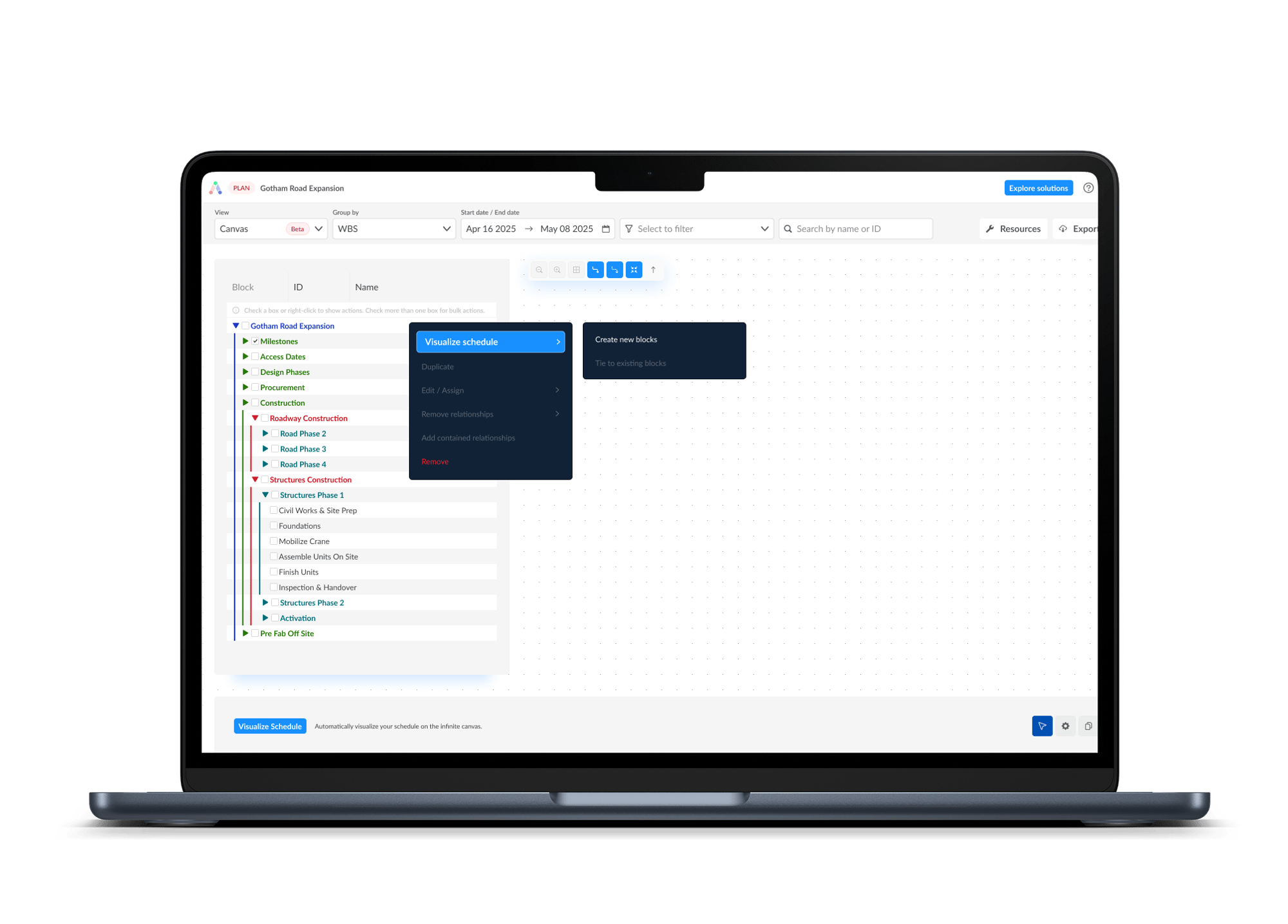
Automated what-if scenario analysis
Faster
decision-making
Improved
collaboration
Greater
flexibility

"ALICE is a one way street. After using this technology, I can't imagine my career without it."

EBOOK
Mega Surprises of Megaprojects
We often get asked: How does ALICE improve construction project planning?
In this thinkbook, ALICE Technologies discusses surprising insights on the challenges and complexities of megaproject construction, including the potential for unexpected impact posed by large infrastructure projects and how innovations in construction optimization can improve project planning and execution.

ALICE PRICING
Start here to get your custom quote now
What type of company do you work for?
What is the size of your project?
What are your top priorities?
Which of the following best describes your business model?
What are your top priorities?
What is the construction value of your average project?
We need a bit more information to prepare your custom quote
Almost done! How should we reach out to you?
Tell us more about yourself.
Thanks!
We’ll review the information you submitted and be in touch shortly. In the meantime, check out some of these links if you want to learn more about us.
CASE STUDY
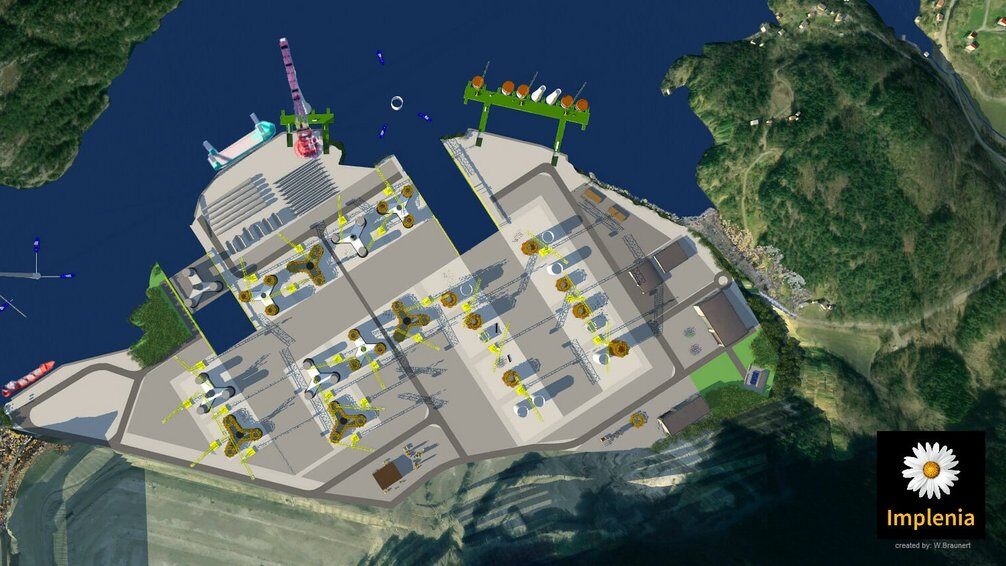
How Implenia is Optimizing Site Selection and Planning for an Offshore Wind Farm with ALICE
Windworks Infrastructure, a collaboration between NorSea Impact and Implenia Norge, aimed to develop a facility for concrete foundations for floating offshore wind farms. Explore how Implenia used ALICE for site selection and project planning.
Optimize every construction phase with ALICE
ALICE gives you new planning and construction super powers
Resources that help you evaluate the best
construction project planning software
What Are The 5 Stages of Construction Project Planning? Steps & Process
Learn what is included in the 5 stages of construction planning and the valuable framework they provide for projects.

AI In Construction Project Planning & Management: Tools & Steps
AI for construction planning and scheduling solves the challenges of construction project planning for large-scale development & infrastructure.
How to plan and schedule a large construction project
Construction projects with a value higher than $1 billion are inherently complexity and necessitate a different method of action when it comes to planning
Construction Project Planning Software For General Contractors, Owners, Consultants
Frequently Asked Questions
-
Creating an effective construction project plan is crucial for ensuring timely delivery, cost efficiency, and quality in any construction project. A well-thought-out plan provides a roadmap that guides the project from inception to completion, aligning all stakeholders with the project's goals.
- Define Project Scope – The first step is to establish a clear understanding of the project’s objectives, requirements, and deliverables. This includes identifying what is in scope and what is out of scope, ensuring everyone involved has a shared vision. Clear communication of the project scope helps manage client expectations and guides decision-making throughout the process.
- Identify Key Milestones – Milestones represent significant achievements or phases in the project timeline. Setting these deadlines ensures that progress is monitored regularly, making it easier to assess whether the project is on track. Key milestones provide teams with a sense of purpose and urgency, helping them stay focused on the broader goals.
- Allocate Resources – Effective resource allocation is critical for optimizing both time and costs. By strategically assigning labor, materials, and equipment, project managers can minimize delays and avoid unnecessary expenses. This ensures that resources are being used efficiently, while also avoiding bottlenecks.
- Develop a Work Breakdown Structure (WBS) – A WBS divides the project into smaller, manageable tasks, which makes it easier to track progress, identify potential risks, and delegate responsibilities. This hierarchical approach helps project managers assign clear ownership to tasks, reducing the likelihood of confusion or delays.
- Sequence Activities – Understanding the logical order in which tasks should be performed is vital for maintaining project flow. Sequencing activities not only ensures that the project progresses smoothly but also identifies critical dependencies that must be considered to avoid setbacks.
- Estimate Duration and Costs – Accurately forecasting the labor hours, material costs, and overall project expenses is essential for maintaining the budget and timeline. By using advanced estimation techniques, project managers can minimize cost overruns and time delays.
- Create a Schedule – AI-driven planning tools like ALICE help generate optimized schedules by analyzing various variables and constraints. These smart scheduling solutions automatically identify the most efficient sequence of tasks, allowing for better resource allocation and risk mitigation.
- Monitor and Adjust – Continuous monitoring is essential for staying on track. Project managers must track real-time progress and adjust the plan as needed to address any challenges that arise, ensuring the project stays within scope, on budget, and on schedule.
By incorporating these key steps and leveraging advanced tools like ALICE, construction projects can be executed with greater precision, minimizing risks and maximizing success.
-
Construction project planning is a strategic process that outlines the goals, timeline, and resource allocation necessary for successful project completion. It involves developing a detailed schedule, determining task sequences, estimating costs, and assessing risks. The planning phase serves as the foundation for a construction project, ensuring all stakeholders are aligned with the project’s objectives. Effective planning helps mitigate potential delays, reduce waste, and optimize resource use, ensuring that each phase of construction is executed efficiently. By anticipating challenges early, project managers can implement solutions before issues arise, keeping the project on track. It also ensures that the construction process stays within budget, meets deadlines, and adheres to quality standards, ultimately leading to a successful and well-executed project. With proper planning, the likelihood of cost overruns, delays, and rework is significantly reduced, resulting in smoother project execution and better overall outcomes.
-
- Pre-Construction Planning
- Establish goals and project scope.
- Define timelines and budget constraints.
- Conduct feasibility studies and risk assessments.
- Scheduling & Task Management
- Develop a work breakdown structure.
- Allocate responsibilities to various teams.
- Sequence tasks to prevent bottlenecks.
- Resource & Budget Planning
- Assign labor, materials, and equipment.
- Optimize cost distribution to avoid overruns.
- Forecast material and labor requirements.
- Execution & Monitoring
- Track progress using construction planning software.
- Make real-time adjustments to accommodate changes.
- Ensure compliance with safety and quality standards.
- Project Completion & Post-Construction Review
- Conduct final inspections.
- Review project performance metrics.
- Document lessons learned for future projects.